
Our DC summer camp focuses on transforming learning into an engaging and hands-on journey that leaves lasting memories for children. Our diverse curriculum offers campers a chance to delve into various areas of interest, including STEM, arts, sports, culture, health, and wellness. This approach not only caters to a wide range of passions but also inspires our youngest campers to actively engage in their summer learning journey, fostering a deeper understanding and enthusiasm for their chosen fields.
Adventures on The Hill Quick Facts
Since 2017, Adventures on The Hill Summer Camp has proudly been an approved summer program partner of the District of Columbia Public Schools (DCPS), reflecting our commitment to delivering exceptional educational experiences.
- Ages 3 yrs to 10 yrs
- June 22nd, 2026 – August 21st, 2026
- 1 counselor to 8 campers
- 1 – 2 Field trips per week
- Variety of activities per day
- Tuition includes all field trips and activities
- Monday – Friday; 8am – 6pm
- Snacks and Water provided
Our Newsletter / Blog

The Ultimate Summer Camp Essentials Checklist (2026 Edition)
Preparing for summer camp should feel exciting — not stressful. If you’re wondering what to pack for summer camp, this is the only checklist you’ll ever need. After working with hundreds of families, we’ve identified the items that actually make camp mornings smoother, keep kids organized, and prevent lost-and-found disasters. Below is your complete Summer…

Inside a Day at Camp: What Your Child Will Experience 🎨⚽
Ever wonder what a typical day at Adventures on The Hill looks like? From creative arts to outdoor sports, each day is designed to be fun, engaging, and enriching from start to finish. Here’s a sneak peek into a day at camp so you can feel confident about what your child will experience. 🌞…
What to Pack: Adventures on the Hill
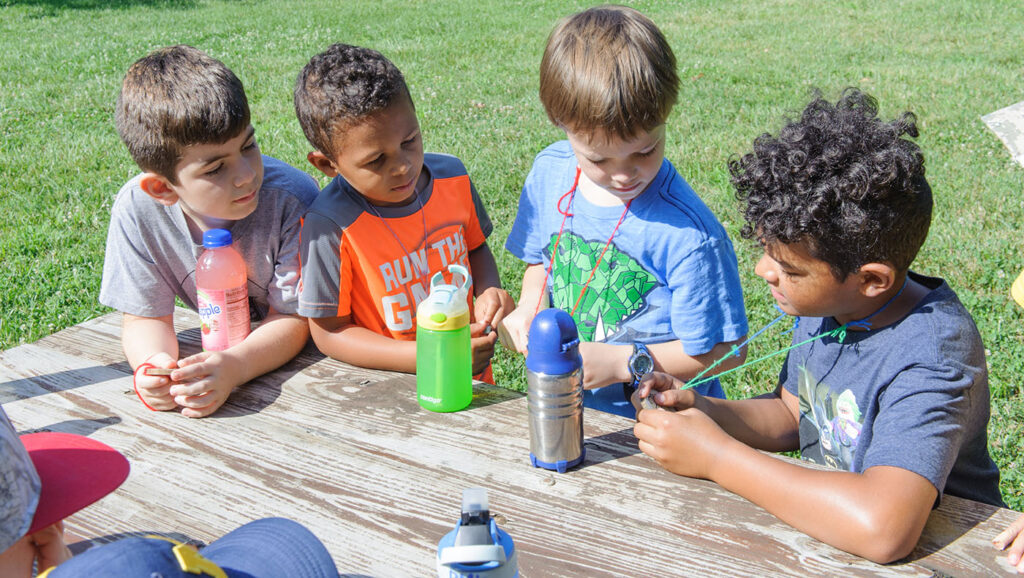
As summer approaches, it’s essential to prepare your child for camp so they can have a fun and memorable experience. Here are a few tips for what you’ll need to pack for Adventures on the Hill—and what to leave at home. Please label ALL ITEMS with your child’s full name. What to Bring Make sure…
The Benefits of Summer Camp on Your Child’s Development
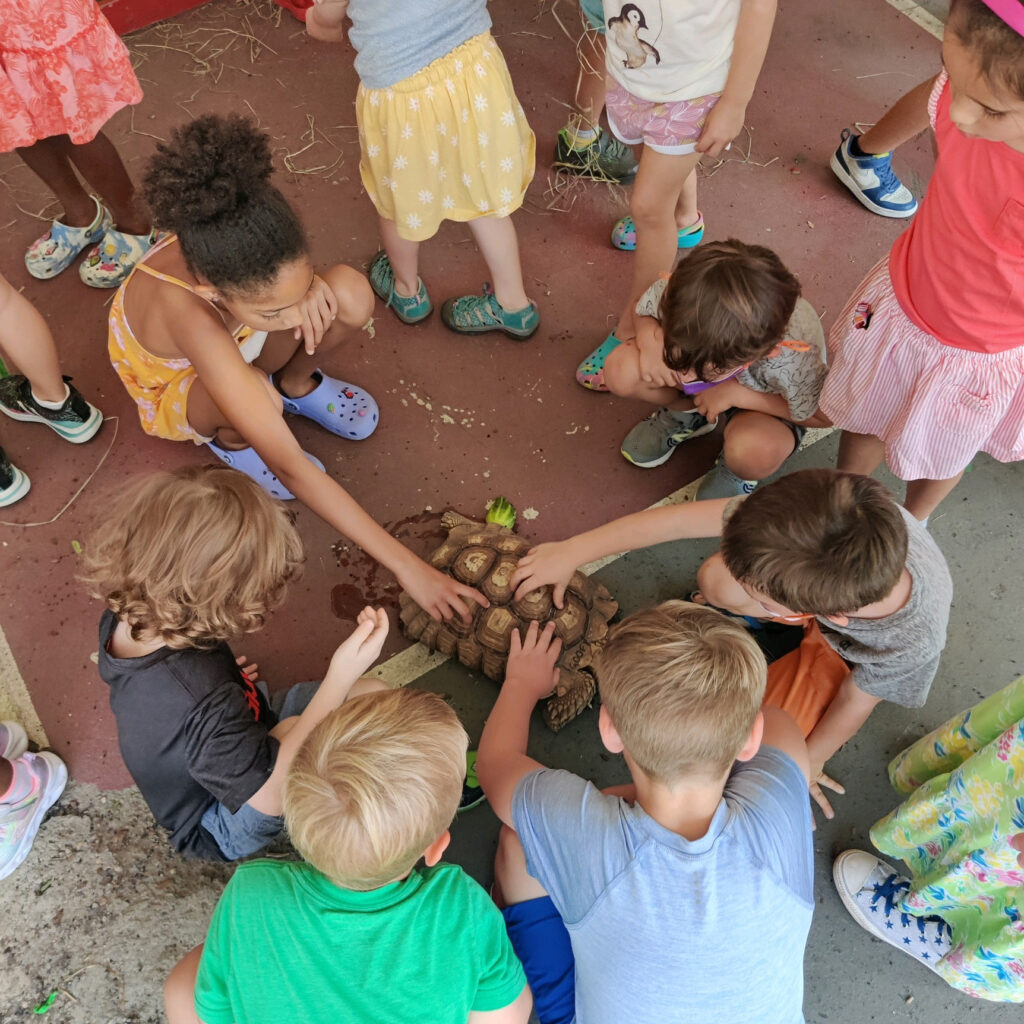
Adventures on the Hill is a special place for children ages 3-10 years old to have fun experiences, learn new skills, and build lasting friendships. Here are 9 amazing benefits of attending our summer camp Adventures on The Hill provides a unique learning opportunity where children can gain valuable skills and experiences. 1. The opportunity…
Give Your Child a Summer That Will Last a Lifetime!
More About Us

2025 Field Trip to the US Botanic Gardens
2026 Camp Tuition & Fees
Camp tuition is $485/week for full day (Early bird pricing $465/week is available through 2/2) and $395/week half day (8:00am – 2:30pm). There is a non-refundable registration of $25 per week. The camp tuition is all-inclusive. All field trips, activities, snacks and supplies are included.
The registration fee and 30% of camp tuition is due immediately upon registration to secure your child’s space within the program. Tuition fees must be paid by and are refundable before May 1st. Payment plans are available until April 31st.
Register Now @ Takoma
Registration Checklist
There is a summer camp registration checklist below to insure you do not miss a step:
- Register and submit your registration fee beginning in January 28th.
- Submit camp tuition balance & review welcome letter by April.
- Return required health & camp forms via email by May 31st.
- Report to campsite location on June 21st.
Get Social With Us...

What Can Kids Learn from Playing UNO? 💚🩷
While playing with friends at summer camp, children practise important skills without even realising they’re learning!
✨ Number & Colour Recognition: Matching cards strengthens visual recognition and early maths skills.
✨ Strategic Thinking: Choosing which card to play encourages planning and decision-making.
✨ Patience & Turn-Taking: Waiting for their turn helps children develop patience and respect for others.
✨ Emotional Regulation: Handling unexpected turns and the occasional loss helps children learn to manage their emotions.
✨ Social Skills: Playing together encourages communication, cooperation and good sportsmanship.

What Can Kids Learn from Playing UNO? 💚🩷
While playing with friends at summer camp, children practise important skills without even realising they’re learning!
✨ Number & Colour Recognition: Matching cards strengthens visual recognition and early maths skills.
✨ Strategic Thinking: Choosing which card to play encourages planning and decision-making.
✨ Patience & Turn-Taking: Waiting for their turn helps children develop patience and respect for others.
✨ Emotional Regulation: Handling unexpected turns and the occasional loss helps children learn to manage their emotions.
✨ Social Skills: Playing together encourages communication, cooperation and good sportsmanship.
Teamwork Starts Early! 🌱
Group activities help children develop important social skills that support them both in and out of the classroom.
Through learning and playing together, children practice how to:
✨Share and take turns while using materials and exploring new activities.
✨Communicate with others by expressing ideas and listening to their peers.
✨Cooperate as a team to work toward a shared goal.
✨Practice patience and empathy by considering others’ needs and perspectives.
✨Build confidence by contributing their own ideas and learning from one another.
These small moments of collaboration help children build the foundations for positive relationships and lifelong social skills. 💚
#SummerCamp #Teamwork
Teamwork Starts Early! 🌱
Group activities help children develop important social skills that support them both in and out of the classroom.
Through learning and playing together, children practice how to:
✨Share and take turns while using materials and exploring new activities.
✨Communicate with others by expressing ideas and listening to their peers.
✨Cooperate as a team to work toward a shared goal.
✨Practice patience and empathy by considering others’ needs and perspectives.
✨Build confidence by contributing their own ideas and learning from one another.
These small moments of collaboration help children build the foundations for positive relationships and lifelong social skills. 💚
#SummerCamp #Teamwork
🎨 Why There Is No Single Right Way to Be Creative ✨💜
Creativity is about more than making something beautiful. It helps children develop important thinking skills, explore new ideas, and learn to approach challenges in different ways.
💡 Encourages independent thinking: Children explore different solutions instead of relying on a single correct answer.
🧠 Turns mistakes into learning opportunities: Experimenting helps children adapt, solve problems, and discover new approaches.
💚 Celebrates individuality: Every child brings unique ideas, experiences, and perspectives to their creations.
🛠️ Values the process: Planning, experimenting, and making decisions help children practise problem-solving and develop confidence in their abilities.
🌿 At Adventures on the Hill Summer Camp, creative activities give children the freedom to explore, express themselves, and discover what they can do. The focus is not just on what they create, but also on what they learn along the way.
#AdventuresOnTheHill #SummerCamp
🎨 Why There Is No Single Right Way to Be Creative ✨💜
Creativity is about more than making something beautiful. It helps children develop important thinking skills, explore new ideas, and learn to approach challenges in different ways.
💡 Encourages independent thinking: Children explore different solutions instead of relying on a single correct answer.
🧠 Turns mistakes into learning opportunities: Experimenting helps children adapt, solve problems, and discover new approaches.
💚 Celebrates individuality: Every child brings unique ideas, experiences, and perspectives to their creations.
🛠️ Values the process: Planning, experimenting, and making decisions help children practise problem-solving and develop confidence in their abilities.
🌿 At Adventures on the Hill Summer Camp, creative activities give children the freedom to explore, express themselves, and discover what they can do. The focus is not just on what they create, but also on what they learn along the way.
#AdventuresOnTheHill #SummerCamp
🧠 What does physical activity have to do with concentration? 🤸♀️
Following a sequence of movements requires children to listen, observe, remember instructions, and control their actions. These activities engage executive functions, including working memory and inhibitory control, which support learning in everyday situations. 🎯
At Adventures on the Hill Summer Camp, even a movement game can become an opportunity to practice these essential skills! 🌟💛
🧠 What does physical activity have to do with concentration? 🤸♀️
Following a sequence of movements requires children to listen, observe, remember instructions, and control their actions. These activities engage executive functions, including working memory and inhibitory control, which support learning in everyday situations. 🎯
At Adventures on the Hill Summer Camp, even a movement game can become an opportunity to practice these essential skills! 🌟💛


